
Maintaining critical valves poses logistical challenges during coking plant shutdowns
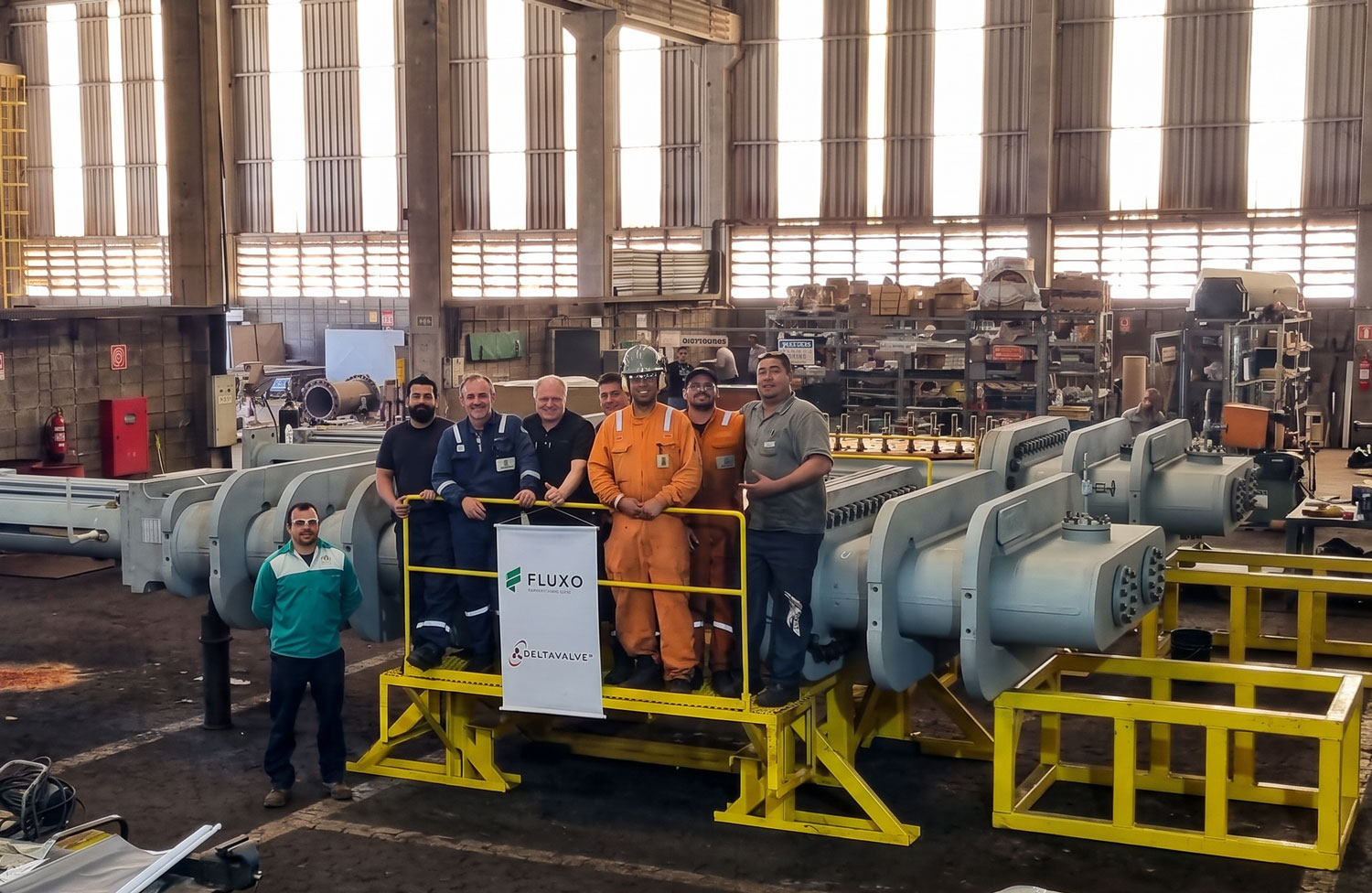
Anyone planning a scheduled shutdown at a delayed coking plant is well aware of the dilemma. The valves on the coke drums are among the most stressed pieces of equipment in the process, subjected to severe thermal and mechanical cycles over years of continuous operation. At the same time, the time available to intervene on these components is limited by the cost of each day of interrupted production and the need to preserve the overall refinery schedule.
The result is a scenario of high operational complexity. Valves that can weigh tens of tons need to be removed, transported, disassembled, inspected, recovered, tested, and reinstalled in just a few weeks. For the unit to resume operation on schedule, each step must be connected to the others, with resources, parts, teams, transportation, and technical decisions available at the right time. In this equation, any mismatch in the execution chain can compromise the outcome of the entire shutdown.
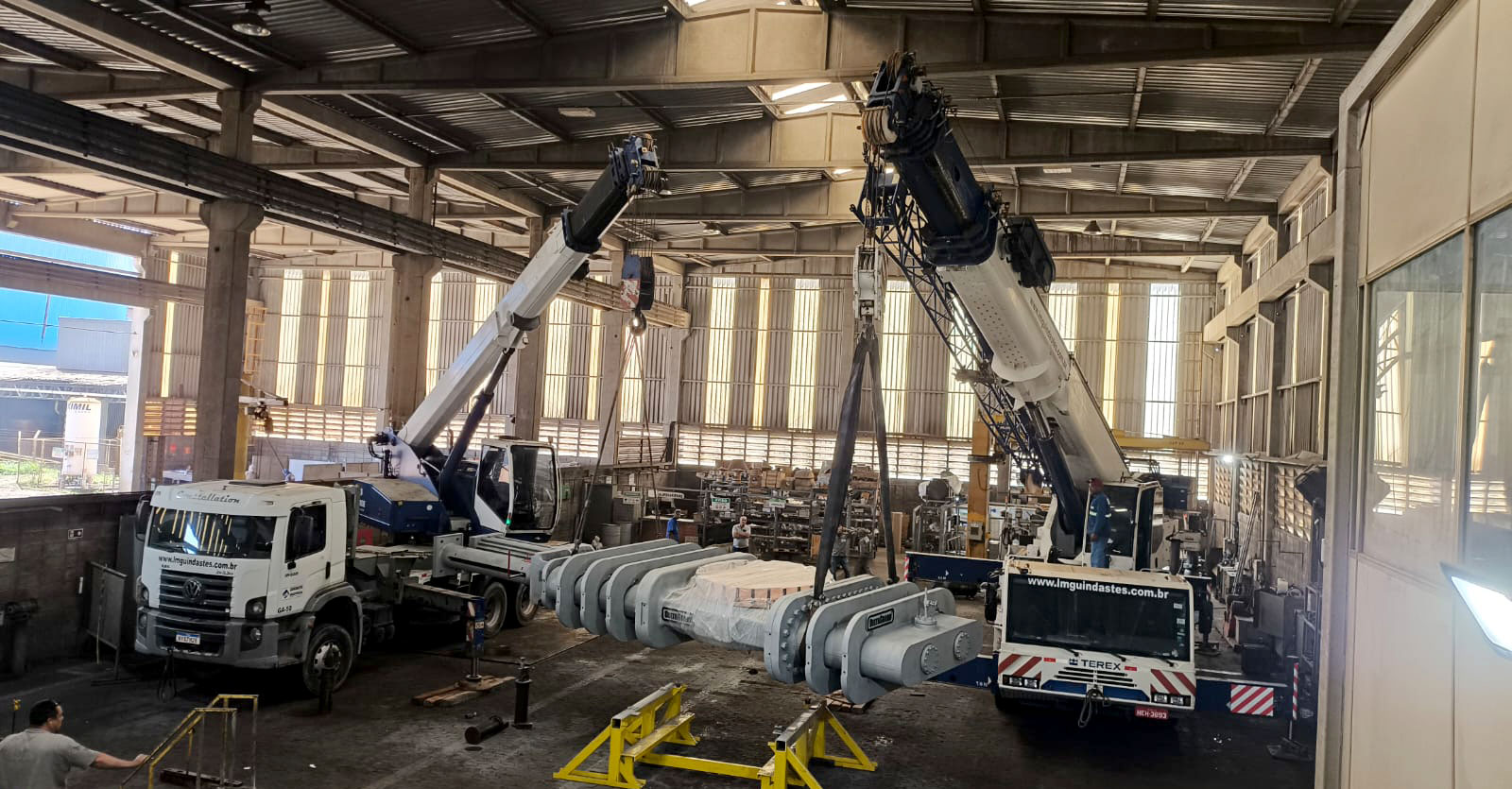
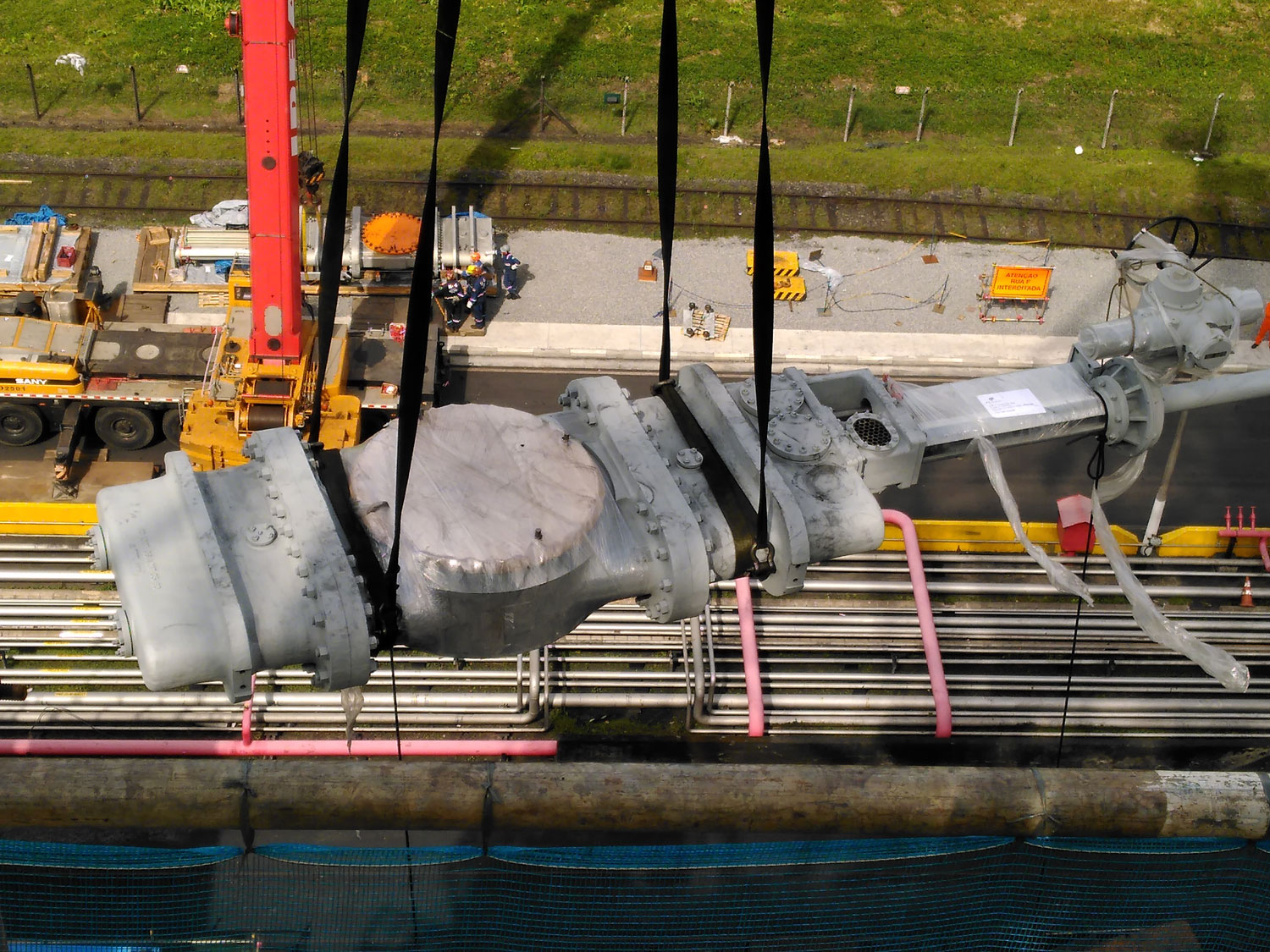
A case of specialized recovery during a highly critical shutdown at RPBC.
One alternative to dealing with this complexity is to treat the intervention as a single delivery rather than a sequence of isolated services. This means combining the repair of key components with the modernization of drive systems, validating equipment performance before returning it to the unit, and overseeing the reinstallation in the field.
This approach guided the activities carried out on the coke drum valves of the Delayed Coking Unit I at the Presidente Bernardes Cubatão Refinery (RPBC), UCP-I. During the scheduled shutdown, four special valves were recovered: two bottom valves, 60 inches in diameter and weighing approximately 40 tons each, and two top valves, 36 inches in diameter and weighing approximately 7 tons each. The scope also included the recovery of a hydraulic unit and associated systems.
The intervention included replacing the gates, static seats, and dynamic seats with components from the new generation of DeltaValve. The upgrade incorporates design advancements aimed at reducing steam consumption and optimizing maintenance times. Internal sealing components were also replaced, restoring the valves' tightness.
In the drive systems, the hydraulic actuators underwent a complete overhaul, with modernization of internal seals and replacement of components, seeking to eliminate leaks and ensure greater reliability and performance during operating cycles. The Rotork electric actuators of the top valves also received specialized services. Before returning to the refinery, the valves were subjected to functional and performance tests, including verification of their respective drive systems.
“The market is realizing that reliability during shutdowns isn't solved by replacing piece by piece. It's necessary to view the valve, the actuation, the logistics, and the timeline as part of a single engineering process. This integrated vision, combined with the right technology, is what allows the operator to gain predictability precisely where the risk is greatest.”,
says Vinicius De Nadai, Business Unit Manager at FLUXO.
In executing the project, FLUXO and DeltaValve brought together engineering, field teams, a specialized workshop, logistics, and suppliers. The company also oversaw the reinstallation of the valves, the actuation systems, and the unit's start-up. With the application of new technologies and the complete recovery of the equipment within approximately 20 days, the valves were returned to Petrobras ready for a new operational cycle, with an expected lifespan of six years, contributing to the reliability and availability of the UCP-I.
What does this type of operation teach the sector?
The UCP-I experience provides practical references for operators planning similar shutdowns in coking plants.
1
Viewing maintenance as an integrated solution
Consider valves, drive systems, logistics, testing, and reinstallation as parts of a single delivery, rather than treating each service in isolation.
2
Evaluate technologies that contribute to the next cycle.
The application of next-generation components can link equipment recovery to efficiency gains and optimized downtime.
3
Coordinate the steps starting from the planning stage.
Engineering, field teams, specialized workshops, logistics, and suppliers need to be connected for a time-sensitive intervention to proceed in a coordinated manner.
4
Validate performance before returning to the unit.
Functional and performance tests are essential to verify the condition of valves and actuation systems before reinstallation.
More predictability during critical stops.
Refineries are expected to continue reducing maintenance windows in the coming years, which tends to make the integration of engineering, technology, and logistics an increasingly crucial factor for the success of scheduled shutdowns. The RPBC case shows that, even with tight deadlines and large equipment, it is possible to meet schedules without sacrificing reliability, provided that this integration is planned for in the planning phase.
FLUXO's field knowledge, combined with DeltaValve, the original manufacturer of the devices, brings reliability to execution with performance responsibility.
The next step should follow the same direction, with those operating coking plants increasingly seeking predictability in critical interventions, supported by a coordinated view of all stages of the shutdown. This is the path FLUXO continues to follow, leveraging its experience gained in highly complex projects to make critical interventions more predictable.